Build a Strong Prayer Life: 10 Habits That Last

In my last post, How to Remember to Pray, I focused on visual reminders that help us remember to pray, such as prayer apps and sticky notes. This post is about something different—the daily habits that make prayer a natural part of our lives.
When we examine the prayer life of Jesus, He was praying all the time. Prayer was His default reaction to everything. He got up early and went off to pray. He prayed before speaking to crowds, before healing, before meals. When He was busy? He prayed even more!
We are not going to develop a prayer life like that overnight. It grows one small choice at a time until talking with God becomes as natural as breathing. We may never pray with the same consistency as Jesus did while we walk this earth, but we can begin to shape our days around moments that draw us back to Him.
Here is a list of 10 habits that can help prayer become less of an occasional activity and more of a natural part of everyday life.
10 Simple Habits for a Lasting Prayer Life:
1. Remember Why You Want to Pray.
This is something you’ll come back to again and again. Habits are much easier to keep when you remember why you’re doing them. On the days when you don’t feel like praying, your “why” will help you stay faithful.
Here are a few of my reasons for praying regularly for my grandchildren:
- Someone prayed for me when I was a child, and those prayers carried me through some difficult seasons.
- I wish I had prayed more consistently for my own children, and I want to do better for my grandchildren.
- I love each of my grandchildren deeply and thank God for them every day.
- We live in a challenging world, and I want God’s protection and guidance over their lives.
- Some of my grandchildren live far away, and it comforts me to know that God is always with them.
The Bible gives us even greater reasons to pray.
God invites us to pray for our children.
“Lift your hands to him for the lives of your children…”
— Lamentations 2:19
I want God to be involved in every part of my grandchildren’s lives.
We have a spiritual enemy.
“Your adversary the devil prowls around like a roaring lion, seeking someone to devour.”
— 1 Peter 5:8
Our grandchildren face spiritual battles we cannot always see, but God does.
Only Jesus can change a heart.
No grandparent, parent, teacher, or pastor can save a child. Only Jesus can draw our grandchildren to Himself, and prayer invites us to partner with Him in that work.
Some problems are bigger than we are.
There are situations no amount of advice, money, or effort can fix. A strong prayer life reminds us to place those impossible situations into the hands of the One for whom nothing is impossible.
2. Claim a designated prayer area.
Prayer room, prayer closet, prayer chair…
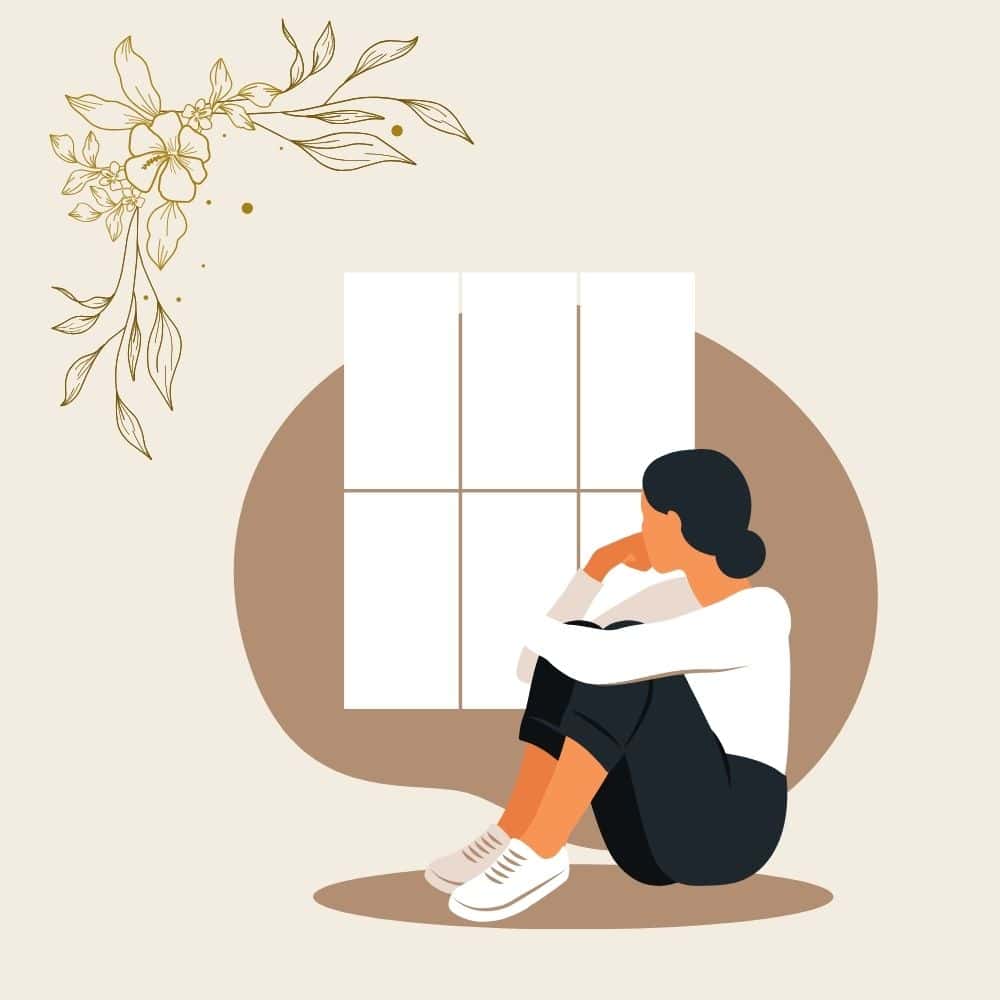
Yes, you can pray anywhere—in your house, in the car, or while taking a walk. But if you want to build a lasting habit of prayer, it helps to have a place that naturally draws your heart toward God.
For me, it’s a soft blue chair in my bedroom with a small table beside it. I keep my Bible there for morning and evening reading. My prayer journal is a little too large for the table, but my new prayer jar fits perfectly. Every time I see that chair, I’m reminded to pause and spend time with the Lord.
A friend of mine has a different approach. She uses one wall of her clothes closet to display sticky notes with the people and situations she’s committed to praying for. Every time she steps into the closet, those notes remind her to lift them up to God.
The space itself isn’t what makes your prayers effective. It simply becomes a gentle cue that it’s time to meet with the One who is always waiting to hear from you.
3. Habit Stacking.
The idea behind habit stacking is to build a new habit by attaching it to a habit you already have established. For example, when you get in the car, you know you’re going to put on your seatbelt. So, as you buckle up, add a prayer for your grandchildren’s safety in the places they will go that day.
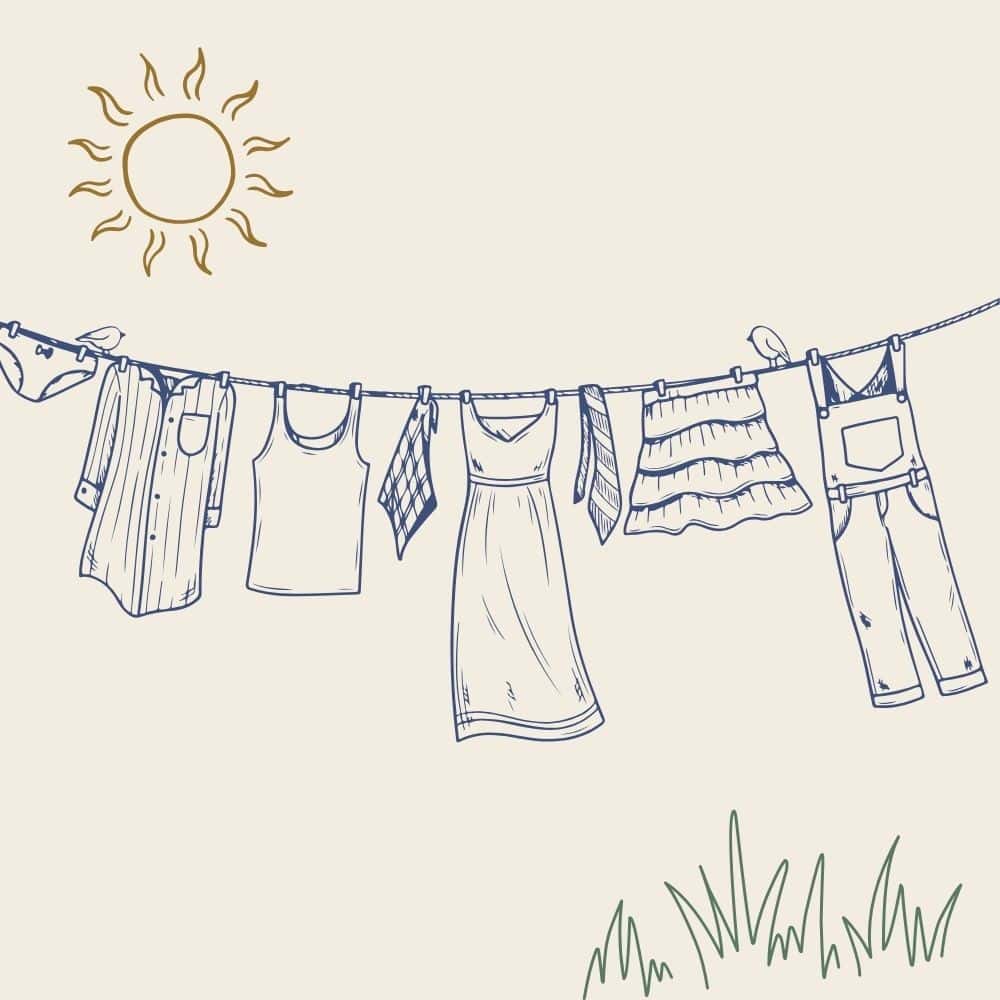
Another common example for parents is to pray while they fold laundry. While they’re folding their son’s shirts, they pray for him. While they match their daughter’s socks, they pray for her.
As grandparents, we could modify that so that as we fold towels, we pray for God’s protection to wrap around our grandchildren. As we put away socks, we can pray for safety for the places they go each day. Shirts – that they are clothed in righteousness. Sheets – that they all have a good night’s sleep.
My most consistent habit is to get up, make coffee, and then scroll on my phone. (I know that’s bad, but I’ve got to be honest.) I am working on changing scrolling to Bible reading, because that leads right into praying for my grandchildren. What a good way to start the day.
I found this last habit stack at this website here. I think this is so clever: Pray while making your bed. Then, if you get to the afternoon and your bed is unmade, you will realize you haven’t prayed.
4. Time Blocking.
Time blocking is another effective way to build a lasting prayer habit. Start with just five minutes each day. As prayer becomes a natural part of your routine, you can gradually increase that time to 15, 20, or even 30 minutes.
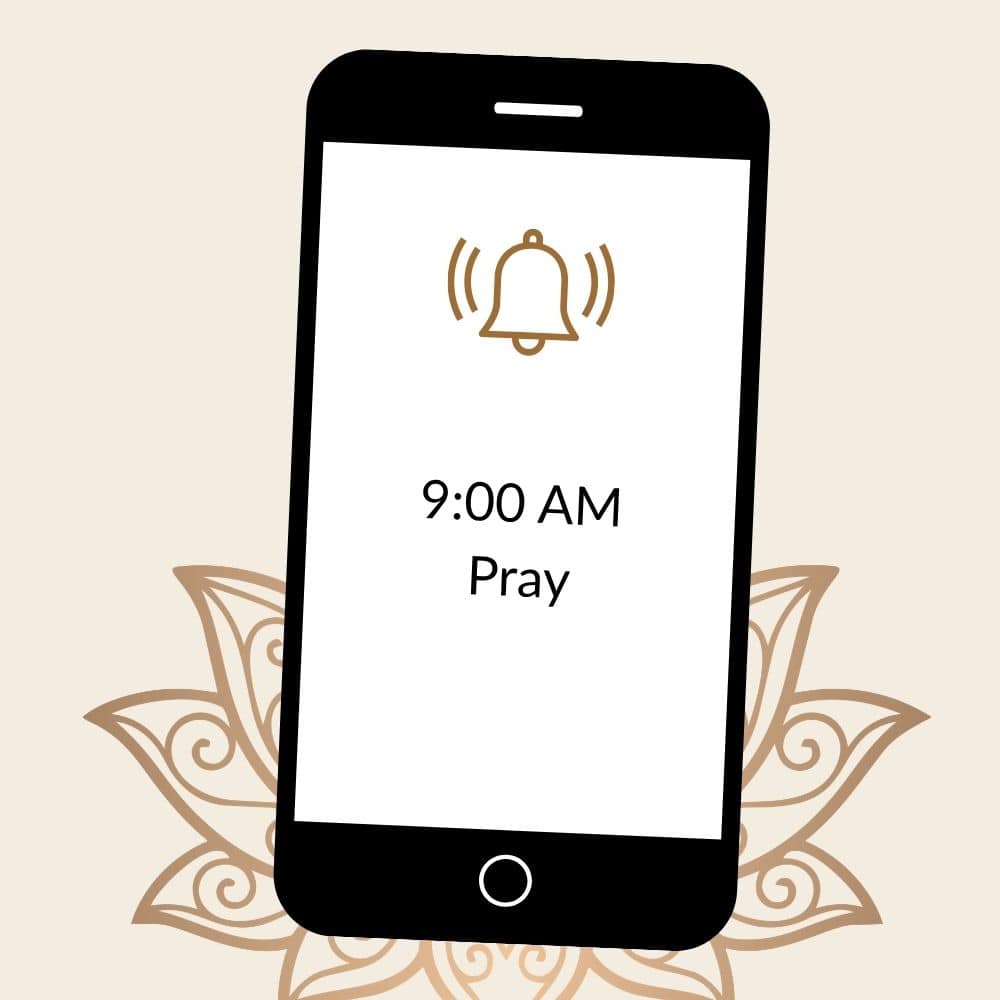
Choose a time that fits your schedule. Maybe you’ll pray after breakfast, during your lunch break, or right before bed. Setting a daily alarm on your phone can also be a helpful reminder until the habit becomes second nature.
One thing I’m experimenting with right now combines habit stacking and time blocking. Most evenings I watch Jeopardy! followed by Wheel of Fortune. Instead of leaving the television on afterward, I’ve blocked out the next 30 minutes as my prayer time. It gives me a quiet transition to end the day with God, and I’m much more alert than I am if I wait until I’m already in bed.
The best time to pray isn’t necessarily early in the morning or late at night. It’s the time you’re most likely to keep showing up. A consistent five minutes every day will do more for your prayer life than an hour you rarely manage to fit in.
5. Have a Plan for Routine Days—and Non-Routine Days.
For those of us who are retired, I think it’s helpful to have two prayer plans: one for ordinary days and another for days when life doesn’t go as expected.
On a typical day, you may have a regular time and place to pray. But what about days filled with doctor’s appointments, errands, traveling, or visits from your grandchildren? And sadly, many of us also have days when our health simply doesn’t allow us to follow our usual routine.
That’s why it’s wise to have a backup plan. On busy or difficult days, you might pray while you’re waiting in a doctor’s office, driving to an appointment, taking a short walk, or resting in your favorite chair. Even a few heartfelt minutes with the Lord keep your prayer life going strong.
6. Use the 3-3-3 Rule to Stay Encouraged.
One habit-building idea I’ve found helpful is the 3-3-3 Rule. Rather than expecting a new routine to feel natural overnight, it breaks the process into three simple stages.
The First 3 Days: Just Get Started
The first few days are all about beginning. You’re excited about your new goal, and that’s a wonderful time to establish your prayer routine. Don’t worry about praying for a long time. Even five minutes is enough. The important thing is to show up. Go to your designated prayer place and begin talking with God.
The First 3 Weeks: Build Consistency
Now you’re training yourself to pray regularly. Your goal isn’t perfection—it’s consistency. The more often you pray at the same time and in the same place, the less effort it takes to remember.
The First 3 Months: Strengthen the Habit
By now, prayer is beginning to feel like a normal part of your day. It may not happen automatically every single day, but you’re creating a rhythm that can last for years.
If you miss a day here and there, don’t give up. Simply begin again the next day. Building a prayer habit isn’t about having a perfect record. It’s about faithfully returning to God again and again.
I believe my grandchildren are worth praying for, and I’m willing to invest the time to make prayer a lasting habit. Three months of faithful prayer can have an eternal impact on the lives of the people we love.
7. Prayer Walks.
Once you’ve established a regular prayer habit, you can move beyond your prayer chair and into your neighborhood. A prayer walk is simply taking a walk while intentionally talking with God.
If you already walk your dog or head out for a little daily exercise, why not turn that time into a conversation with the Lord? Before you leave the house, take a quick look at your prayer journal or prayer list so the people and situations on your heart are fresh in your mind.
As you walk, thank God for His blessings, pray for your grandchildren by name, and lift up the needs of family, friends, and neighbors. You may even find yourself praying for the people whose homes you pass along the way.
If your grandchildren visit often, invite them to join you on a short prayer walk. It doesn’t have to be long. As you walk together, thank God for His creation and pray for the people and places around you.
Grandma’s Note: If walking isn’t possible because of health concerns, this same idea works while sitting on a porch, driving to physical therapy, or even walking through the grocery store.

8. Illustrate Your Prayer Life with a Vision Board.
A prayer vision board keeps your prayer goals in front of you. Seeing those reminders every day makes it much easier to remember to pray.
Start with a poster board, cork board, or even a section of a wall. Print a few favorite photos of your grandchildren—I know you have hundreds on your phone! Then add reminders of the things you want to pray about, such as their school, friendships, future, faith, or God’s protection over their lives.
You could also include sticky notes with one-word prayer prompts like salvation, wisdom, kindness, courage, or character. Add a few favorite Bible verses or printed prayers that encourage you to keep praying.
There are all kinds of creative ideas on Pinterest if you’d like inspiration. Search for Prayer Boards or Prayer Vision Boards to see how others have organized theirs.
The goal isn’t to create a beautiful craft project. It’s to create a visual reminder that draws your heart back to prayer every time you see it.
Here is an article with some great ideas on making a prayer board.
9. Prayer journal to Record Your Prayer Life.
If you’re a writer, this one is for you. Please click here for my blog post on Prayer Journals.
10. Celebrate Your Progress.
There’s an old saying that “Virtue is its own reward.” That’s certainly true, but I have to admit that I enjoy celebrating milestones along the way. A small reward can reinforce a new habit and make it more likely to stick.
You know what motivates you. For me, it might be a package of M&M’s after completing a prayer vision board or another small goal. After three months of faithfully building a prayer habit, maybe you’ll treat yourself to a new book, a favorite lunch spot, or even a little online shopping. The reward doesn’t have to be expensive. It’s simply a way of celebrating your consistency and thanking God for helping you stay with it.
Remember, the real reward isn’t the candy or the shopping trip. It’s the joy of spending time with the Lord and faithfully lifting up the grandchildren He has entrusted to your prayers.
Conclusion.
Prayer doesn’t become a habit because we force ourselves to do it. It becomes a habit because we keep returning to the One we love and faithfully bringing the people we love before Him.
One prayer at a time. One day at a time. Those small, faithful moments become a lifetime of prayer.
As you build these habits, don’t worry about being perfect. There will be busy days, sick days, and days when you simply forget. Don’t let one missed day become a reason to quit. Begin again the next day.
Your grandchildren are worth praying for. And every time you faithfully bring them before the Lord, you are leaving a spiritual legacy that may bless their lives for generations to come.

What about you? Do you have any good tips on building a lasting prayer life? Share in the Comments below. I’d love to hear them.
More Ways to Develop Your Prayer Life.



Save These Habits to Pinterest:
Continue Praying for your Grandchildren
If praying for your grandchildren matters to you, you’re not alone. Our prayers are faith in action!
Click the button for additional prayers for your different needs and seasons, all in one place.